
Every IPO arrives wrapped in a story — and the story is exactly what gets most traders chopped up on day one. A brand-new listing has no history: no support, no resistance, no established value. The good news is that this is a feature, not a bug. A fresh ticker hands you a clean, repeatable setup once it prints real structure.
This is the structure-first playbook a trading desk uses on any new listing — the durable, evergreen version of the approach we applied to the SpaceX IPO.
Why the Open Is the Worst Entry
On day one, an IPO is an auction with no past. That first candle is allocation flow and sentiment — not structure. There's no prior level to lean on, no value area, no point of control. Buying the open is buying pure volatility.
You don't need to catch it. Within a few sessions the stock starts printing the kind of structure you can actually trade — and a little patience there is your edge, not a missed opportunity.
Wait for the First Real Structure
Once a new ticker trades for a few sessions, useful things appear:
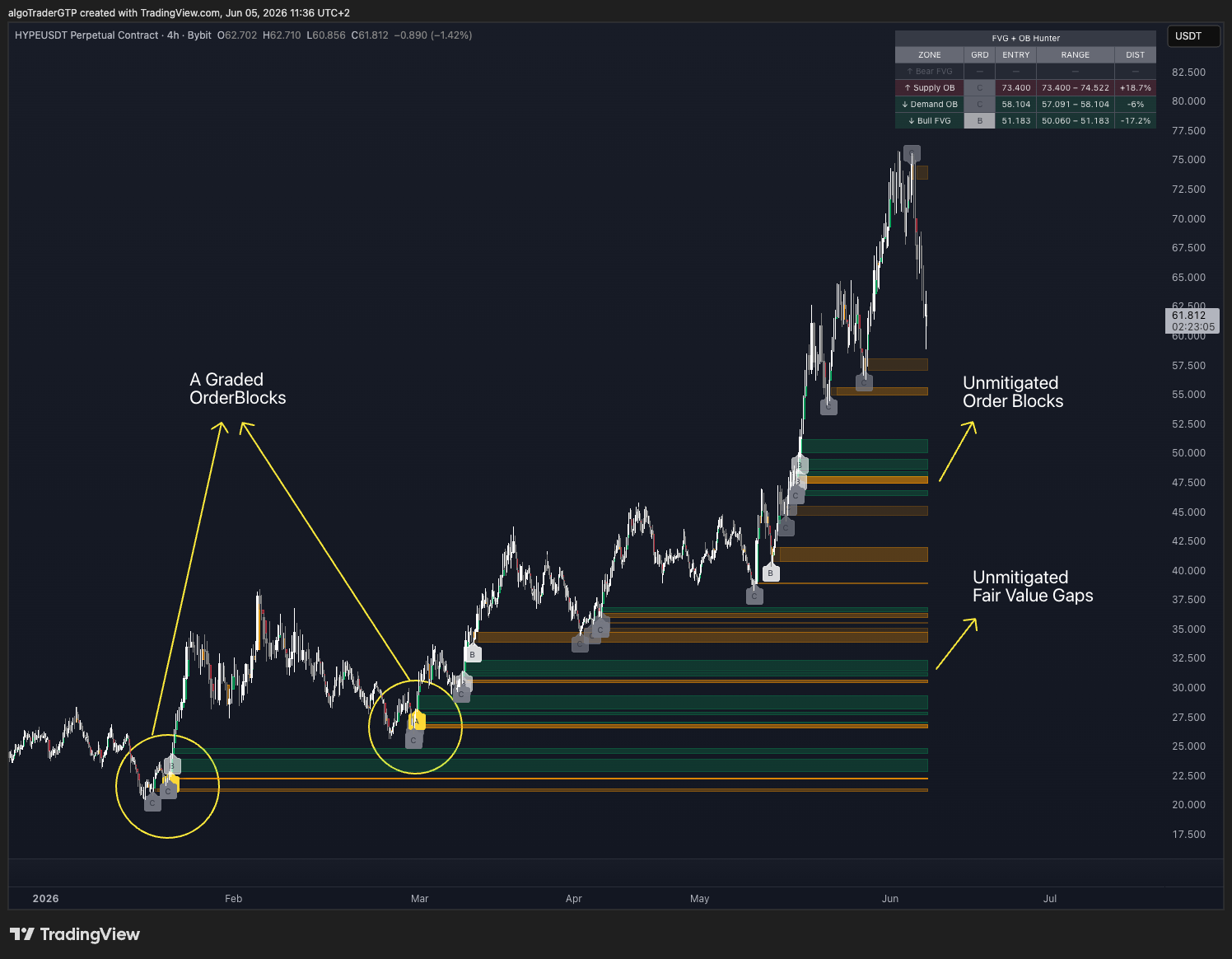
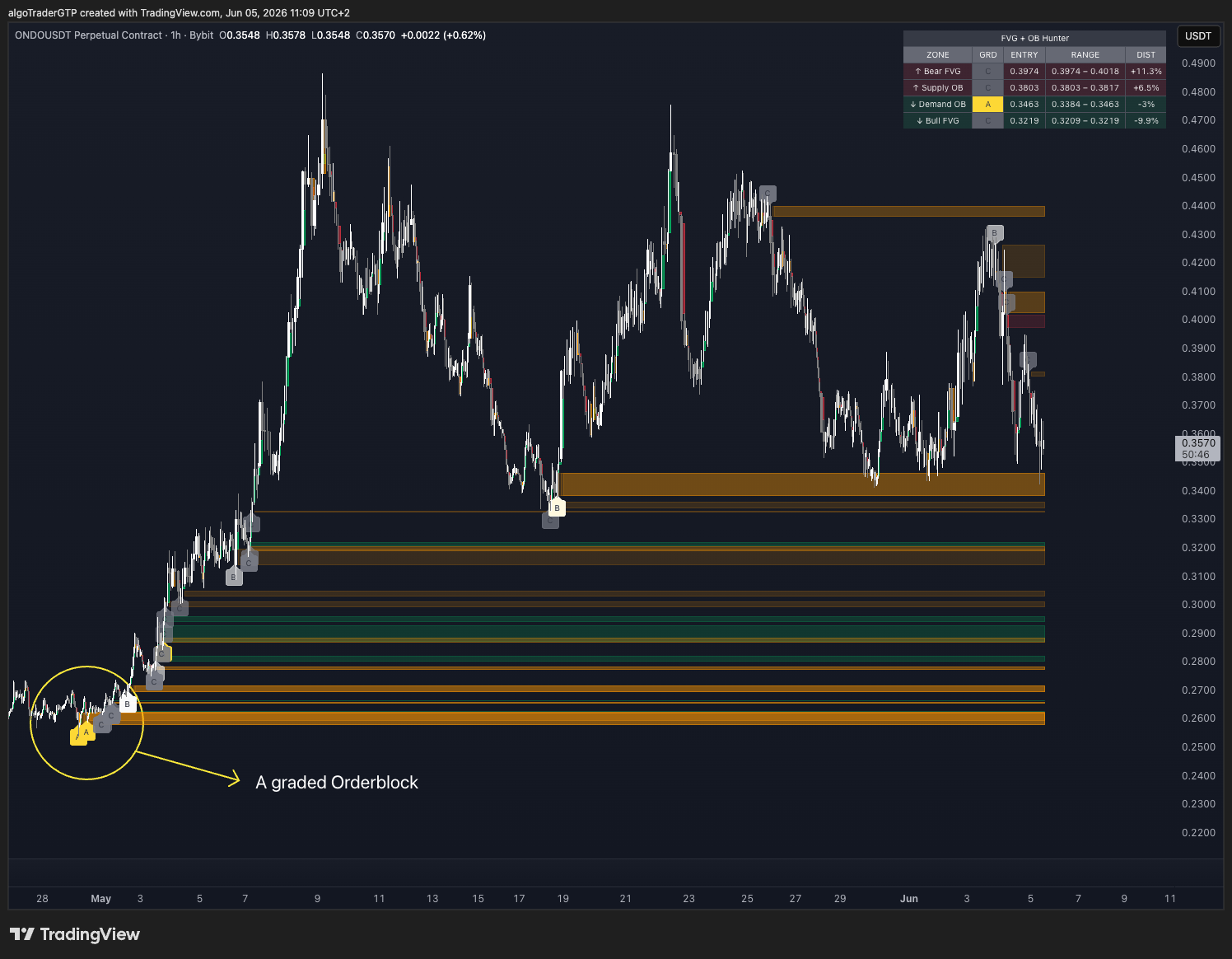
- The first genuine Order Block prints — the last move before a strong rally or drop, marking where size was filled.
- A value area forms where real volume changed hands, with a point of control the market keeps returning to.
- Fair Value Gaps appear in the fast moves — imbalances price tends to come back and fill.
This is mechanical reference the market built itself — not a narrative. The desk's edge is patience: let the noise resolve into structure, then trade the structure.
The IPO Playbook, Step by Step
- Skip the open. Let the first sessions print real candles before you do anything.
- Mark the first clean order block — the last opposing move before a strong impulse.
- Map the value area and point of control — where real volume transacted, not where a wick spiked.
- Enter on the retest of that zone, with confluence (an overlapping fair value gap is ideal). Stop just beyond the block, so the trade is invalidated by structure, not by emotion.
Structure first, story second. The story got you interested; the structure is what you actually trade — and this sequence works on the next big listing just as well as the last one.
This is educational, not financial advice. Newly listed stocks are exceptionally volatile and can move violently against any setup. Nothing here is a recommendation to buy or sell any security. Manage risk and size positions accordingly.
How We Automate the Structure
Marking blocks, gaps, and value areas by hand on a fast, brand-new ticker is where most traders fall behind. Two tools do it automatically:
- FVG + OB Hunter detects every order block and fair value gap as it forms, grades each zone, and alerts you on the retest.
- Volume Profile Pro maps the value area and point of control, so you enter where volume actually transacted — the only objective reference a no-history listing gives you.
Both run on TradingView. Prefer the setups handed to you? Our desk runs this exact methodology live through the AlgoTraderPro signal service — see how the signals work.
Trade the structure, not the story — let the first real order block show you the entry. Disclosure: some links above are affiliate or product links — if you buy through them, AlgoTraderPro may earn a commission at no extra cost to you.